

mobility_scooters_near_me9047
About mobility_scooters_near_me9047
10 Life Lessons We Can Learn From Scooters For Sale Near Me
Exploring Disability Scooters for Sale Near Me: A Comprehensive Guide
In the modern world, mobility help have actually ended up being increasingly advanced and available, enhancing the lifestyle for individuals with impairments. Amongst these aids, disability scooters stand out as a versatile and efficient option, providing freedom and independence to those who might find traditional walking help limiting. This short article explores the world of disability scooters, checking out how they work, the advantages they provide, and where to find them for sale near you.
What Are Disability Scooters?
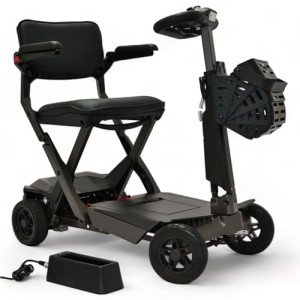
Disability scooters, likewise referred to as mobility scooters or electric scooters, are motorized automobiles developed to help people with mobility issues. These scooters are typically geared up with a seat, handlebars for steering, and a series of features that improve convenience and safety. They are powered by rechargeable batteries and can be used both inside and outdoors, depending upon the design.
Types of Disability Scooters
-
Three-Wheeled Scooters
- Pros: More maneuverable in tight areas, lighter and typically much easier to transfer.
- Cons: Less steady on irregular surfaces, might feel less safe and secure for some users.
-
Four-Wheeled Scooters
- Pros: Greater stability and balance, much better for outside usage, especially on rough terrain.
- Cons: Less maneuverable in tight areas, typically heavier and more difficult to carry.
-
Travel Scooters
- Pros: Designed for simple disassembly, making them perfect for travel.
- Cons: May have a shorter variety and lower speed compared to full-sized models.
-
Sturdy Scooters
- Pros: Built to support higher weight capacities, often more resilient and tough.
- Cons: Heavier and less portable, may need more upkeep.
-
Standing Scooters
- Pros: Provide an option for users who choose or require to stand.
- Cons: Less common, might not be as comfortable for long-lasting usage.
Benefits of Disability Scooters
-
Boosted Mobility
- Disability scooters allow users to travel longer distances and browse different environments with ease, from grocery stores to outdoor parks.
-
Increased Independence
- By lowering the requirement for help, these scooters empower users to maintain their self-reliance and carry out day-to-day activities more easily.
-
Enhanced Quality of Life
- Scooters can considerably improve social and recreational activities, permitting users to take part in neighborhood events and keep a more active way of life.
-
Cost-efficient
- Compared to other mobility help like power wheelchairs, scooters are often more budget friendly and have lower upkeep expenses.
-
Adjustable
- Lots of scooters included options for modification, including adjustable seats, speed settings, and additional safety features.
Where to Find Disability Scooters for Sale Near Me
When trying to find disability scooters for sale, there are numerous choices available to guarantee you find the right fit for your requirements.
-
Local Mobility Aid Stores
- Pros: Opportunity to test drive and see the scooters personally, well-informed staff for individualized suggestions.
- Cons: Limited selection compared to online stores, might be more pricey due to overhead costs.
-
Online Retailers
- Pros: Wide range of designs and brands, frequently more competitive prices, convenience of shopping from home.
- Cons: Can not test drive before purchasing, prospective shipping expenses and hold-ups.
-
Specialized Dealers
- Pros: Specialized in mobility aids, typically offer extended warranties and financing options.
- Cons: May be more costly, less physical areas.
-
Second-Hand Markets
- Pros: Affordable alternatives, chance to check and evaluate the scooter before buying.
- Cons: Limited guarantee, may require upkeep or repairs.
What to Consider When Buying a Disability Scooter
-
User Needs and Abilities
- Physical Condition: Consider the user’s strength, mastery, and stability.
- Lifestyle: Think about where the scooter will be utilized most frequently (inside your home, outdoors, both).
-
Scooter Features
- Range and Battery Life: Ensure the scooter can handle the ranges you need to travel.
- Speed and Maneuverability: Choose a scooter that matches your speed preferences and the spaces you navigate.
- Weight Capacity: Verify that the scooter can support the user’s weight.
- Storage and Transport: If you need to carry the scooter, try to find models that are light-weight or simple to take apart.
-
Security and Comfort
- Braking System: Check for reliable and responsive brakes.
- Seating: Opt for a comfortable and adjustable seat.
- Lighting and Accessories: Consider functions like headlights, turn signals, and baskets for included convenience.
-
Budget and Financing
- Preliminary Cost: Compare prices from different merchants.
- Maintenance Costs: Factor in the expense of batteries, repairs, and regular maintenance.
- Financing Options: Some dealers use financing or lease-to-own programs.
-
Service warranty and Support
- Service warranty: Look for an extensive service warranty that covers both parts and labor.
- Customer Support: Ensure the retailer offers trustworthy consumer service and assistance.
FAQs About Disability Scooters
Q: Are disability scooters covered by insurance?
- A: Many insurance plan, consisting of Medicare, can cover a part of the cost of a disability scooter. Nevertheless, protection varies, so it’s necessary to check with your service provider for particular information and requirements.
Q: How frequently do I need to charge the battery?
- A: The frequency of battery charging depends upon the model and use. Generally, you need to charge the battery after each use or at least once a week if the scooter is not used day-to-day.
Q: Can I use a disability scooter on mass transit?
- A: Yes, many disability scooters are created to be portable and can be used on mass transit, such as buses and trains. However, it’s a great concept to examine the specific guidelines and guidelines of your regional transit authority.
Q: Are there any age limitations for using disability scooters?
- A: There are no rigorous age constraints, however users must have the ability to operate the scooter safely. Lots of scooters are designed for older adults, but they can be used by anybody who requires support with mobility.
Q: Can I modify a disability scooter to fit my specific needs?
- A: Many scooters use personalization options, such as adjustable seats and speed settings. For more substantial modifications, it’s best to talk to a professional mobility aid service provider.
Tips for Buying a Disability Scooter
-
Research study Thoroughly
- Read Reviews: Look for evaluations from other users to get a sense of the scooter’s performance and reliability.
- Compare Models: Consider different models and brand names to find the one that best fulfills your requirements.
-
Test Drive Before Buying
- If possible, test drive the scooter to ensure it feels comfy and satisfies your requirements.
-
Request For Professional Advice
- Talk to a health care service provider or mobility help expert to get individualized recommendations.
-
Inspect for Local Incentives
- Some local federal governments and organizations use rewards or subsidies for purchasing disability scooters for sale near me scooters. Talk to your local disability services for additional information.
-
Consider Future Needs
- Think of any prospective changes in your physical condition that may impact your scooter requires in the future.
Disability scooters are an important tool for improving mobility and self-reliance for people with disabilities. By thinking about the user’s needs, the features of the scooter, and the readily available choices for purchase, you can discover the ideal scooter to match your way of life. Whether you’re going shopping at a local store or browsing online, putting in the time to research study and test drive different models will ensure you make an informed and useful decision. With the right scooter, the world ends up being a more available and enjoyable location.
Additional Resources
- Mobility Aid Providers: Check local listings for providers specializing in disability scooters.
- Online Reviews: Websites like Consumer Reports and mobility aid forums provide comprehensive evaluations and user feedback.
- Federal government Programs: Look into local and national programs that provide monetary support for mobility aids.
By checking out these resources and following the pointers described in this short article, you can with confidence find and purchase a disability scooter that meets your particular requirements and boosts your life.
No listing found.