

faustinosanche
About faustinosanche
Over the past decade, there have been significant reforms to the law courts in the United Kingdom.
Although Northern Ireland is part of the UK, it maintains its own legal system, separate from those of England and Wales and Scotland.
Public perception of the judiciary has steadily increased over recent decades, thanks in part to judicial transparency, media access to courtrooms, and outreach programs that educate the public about the role of courts in a democratic society.
However, cuts to legal aid funding have led to concerns about inequality in the justice system. A key characteristic of the Northern Ireland court system is its distinct jurisprudence, which has been shaped by its history and political landscape.
This system is rooted in common law, but it is tailored to the region’s particular cultural and legislative framework.
While court fees are necessary to support the financial viability of the system, they have been criticised for limiting access to justice, particularly for individuals on low incomes.
On the evidence of the past two years, they function very well as a unit, with no discernible break up between solicitors and non-solicitors in the case of choice-making.
Legal aid adjustments have also been an ongoing issue in the UK. By focusing on out-of-court settlements, the hope is to reduce the backlog of cases waiting for a court hearing, saving time and resources for the court system while also offering parties a less formal and potentially quicker path to resolution.
More serious cases or those involving higher financial stakes may be escalated to the High Court or the Crown Court depending on whether they are civil or criminal in nature.
 The judiciary plays a critical role in maintaining public trust and enforcing the rule of law. Critics argue that reduced access to legal aid puts vulnerable individuals at a disadvantage, particularly in criminal cases where the consequences of a conviction can be life-changing.
Legal system funding has also seen significant changes, particularly in light of austerity measures and the ongoing pressure on public finances.
Amidst political change, the legal system must balance tradition with modernisation, autonomy with integration, and independence with cooperation. Northern Ireland also has a network of tribunals that deal with administrative law firms matters, such as employment, mental health, social security, and immigration appeals.
County Courts handle civil matters such as landlord and tenant issues, and they also oversee family law and small claims.
Whether handling criminal prosecutions, civil claims, or family matters, the courts of Northern Ireland remain vital to upholding justice, safeguarding rights, and maintaining the rule of law for all its citizens.
The UK government has encouraged the use of ADR as a way to reduce pressure on the courts and provide more accessible and cost-effective methods for resolving disputes.
The UK government has been forced to make difficult decisions regarding the allocation of resources to the court system. The Lord Chief Justice of Northern Ireland is the head of the judiciary and is responsible for ensuring the efficient operation of the courts and upholding judicial standards.
Legal aid is available in both criminal and civil matters, but funding pressures and administrative hurdles sometimes limit how effectively the system can support vulnerable individuals.
One notable change is the growing reliance on out-of-court dispute resolution such as mediation and arbitration.
Legal aid is vital for ensuring that everyone, regardless of income, has access to legal representation, particularly in serious cases such as criminal trials. The UK government, through the Ministry of Justice (MOJ), has been actively working to streamline the way the court system operates.
These tribunals provide a less formal setting and are often quicker and more accessible than traditional court proceedings.
The creation of the Society’s Regulatory Committee is likely one of the measures launched in recent years to considerably overhaul the regulation of Scotland’s solicitors. This change has been welcomed for its potential to reduce delays, but it has also sparked discussion about accessibility, especially for those without easy access to technology or internet services.
This includes the implementation of online case filing systems, which allow individuals and legal professionals to submit documents to the courts without needing to appear in person. If you enjoyed this post and you would certainly such as to obtain even more information regarding marketing agencies kindly go to our web-site. In response to these concerns, the UK government has introduced some reforms to the legal aid system, but there remains an ongoing debate about how best to ensure equitable access to legal services.
Of all the thousands of authorized transactions carried out by Scottish solicitors each year, a really small number give rise to a complaint.
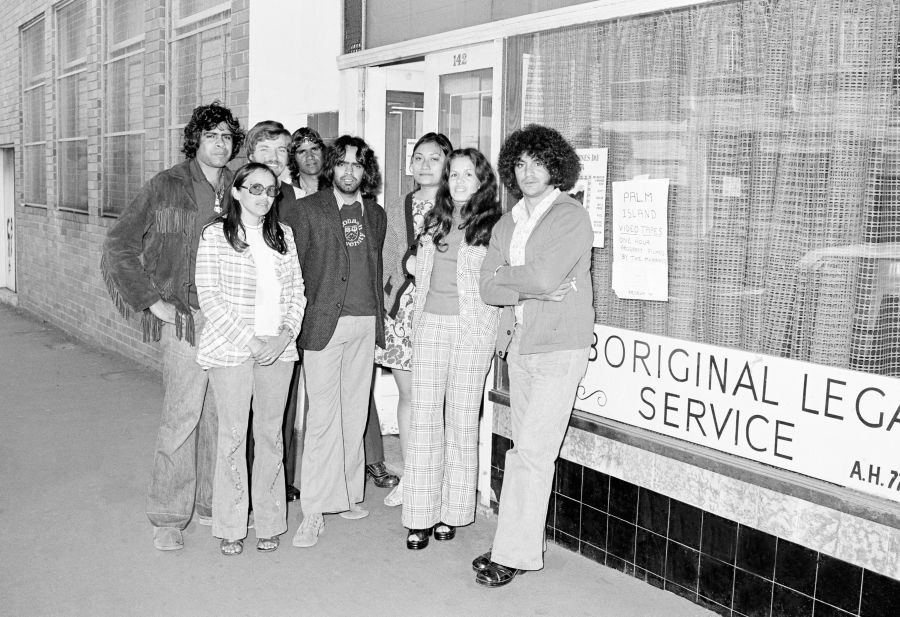 One of the most significant changes has been the move towards online reform of court processes. This has led to fewer court personnel in some areas, as well as increased reliance on court fees to help fund operations. Access to justice remains a concern, particularly in rural or economically disadvantaged areas.
While it shares many similarities with other UK legal systems, certain laws and court procedures are unique to Northern Ireland.
No listing found.